
8 Daily Exercises For Endometriosis To Reduce Inflammation
- R. A. Fletcher
- Feb 3
- 5 min read


My exercise journey was not an easy one, but I am so glad I pushed through. When I was diagnosed with Endometriosis in 2010, I had already given up competitive swimming, soccer, and volleyball because of the trials I faced during my diagnosis journey. The pain was so severe that I lost my ability to walk, which was later discovered to be due to the Endo fusing my bladder to my leg muscles. By the time I had the surgery, I had gained almost 30 lbs, lost most of my muscle mass, and was left with severe internal scarring. I tried my hand at some sports when I had recovered, but they were all short-lived.
It wasn’t until the Endo caused nerve damage and I went to physical therapy following my fifth surgery that I discovered the real power of exercise. I’ve made several adjustments over the years, becoming a bit of a fitness enthusiast. Now, there are eight exercises I can’t go a day without, even if I don’t make it to the gym. These exercises are proven to reduce inflammation and improve overall health. Getting started can be hard, but I recommend setting aside 15 to 20 minutes a day for 21 days straight to encourage the habit. Do not skip a day until you have passed 21 days!
Recumbent Biking

Not everyone is able to get on a rehab bike every day, but I strongly recommend at least 5 minutes on a bike before physical activity 3 times per week. 20 minutes is ideal to encourage blood flow. A recumbent bike is a type of rehab bike with a normal chair, instead of a bike seat.
Recumbent biking is one of the most Endometriosis-friendly forms of cardio because it supports your back and hips while still getting your heart rate up. The seated position reduces pressure on the pelvis and lower spine, which is especially helpful during flare days.
Gentle cycling increases circulation, delivering oxygen to inflamed tissues and helping flush inflammatory byproducts out of the body. It also warms up the hips and legs without impact, making it an excellent primer before stretching or strength work. Over time, consistent biking can improve endurance, reduce stiffness, and help regulate hormones through steady, low-stress movement.
Cat Cow

Cat Cow is a gentle yoga flow that moves the spine through flexion and extension while coordinating breath with movement. To perform it, start on all fours (also called the tabletop position), inhale as you arch your back and lift your chest (cow). Then exhale as you rotate your hips, round your spine, and tuck your chin (cat).
This slow, rhythmic motion helps mobilize the spine and pelvis, areas that often become stiff and guarded due to chronic pain. For people with Endometriosis, Cat Cow encourages relaxation of the abdominal muscles and pelvic floor while improving spinal mobility. It also stimulates circulation around the uterus and digestive organs, which can help reduce bloating and tension.
Downward Dog
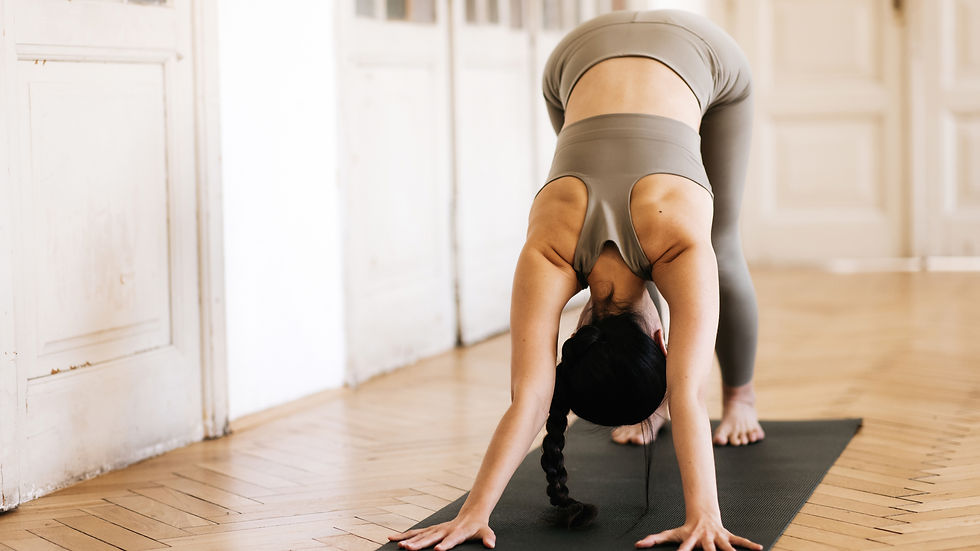
Downward Dog is a foundational yoga pose that stretches all lower muscles, including the calves, hamstrings, glutes, and back. From hands and knees (tabletop), lift your hips back and toward the ceiling, creating an inverted V shape with your body. Don’t worry about keeping your heels on the ground; this will come with time. If your hamstrings are tight, try pedaling a bit, but do not force a stretch.
This pose helps decompress the spine and lengthen tight muscles that can contribute to pelvic and lower back pain. For those with Endometriosis, Downward Dog encourages blood flow away from congested pelvic tissues while gently strengthening the shoulders and core. It can also help calm the nervous system, which is essential for managing chronic inflammation and pain sensitivity.
Child’s Pose

Child’s Pose is one of the most restorative positions you can incorporate into your daily routine. Kneel on the floor, sit back on your heels, and fold forward, allowing your chest to rest toward your thighs. This pose gently stretches the lower back, hips, and pelvic floor while encouraging deep, diaphragmatic breathing.
For Endometriosis, Child’s Pose is especially beneficial during flare-ups, as it promotes relaxation and reduces tension held in the abdomen. Spending even one minute here can signal to your nervous system that it is safe to relax, helping lower cortisol levels and inflammation over time.
Happy Baby

Happy Baby is performed lying on your back, drawing your knees toward your chest, and holding your feet or ankles. This pose gently opens the hips and stretches the inner thighs and lower back. It’s particularly helpful for releasing tension in the pelvic floor, which can become overactive in response to chronic pain.
For individuals with Endometriosis, Happy Baby encourages mobility in the hips without compression, making it a safe option even on lower-energy days. The position also supports digestion and can help relieve pressure-related discomfort in the abdomen.
Figure Four

If you have issues with nerve pain or sciatica, which are common companion conditions with Endo, don’t skip this one! Figure Four is my absolute favorite stretch. It is a simple but powerful hip stretch that targets the glutes and piriformis muscle. Lying on your back, cross one ankle over the opposite knee. Thread your hands through the “four” and gently pull the straight leg toward your chest.
Releasing tension in the glutes can reduce nerve irritation and improve pelvic alignment. Regularly practicing Figure Four can help restore balance between the hips and pelvis, supporting better movement patterns and reducing compensatory strain elsewhere in the body.
Resisted External Rotations

This exercise isn’t necessary for people who are just focused on abdominal and hip exercises, but it can help reduce tension and pain in individuals with nerve problems or thoracic Endometriosis. I use lightweight (3 to 5lbs), but you can also use resistance bands. Place a towel between your elbow and your side, and hold it in place with your upper arm. Then, hold your forearm in front of you so it sits perpendicular to the ground. Gently rotate your arm out like a hinged door until it is extended in line with your body. If you drop the towel, you are moving your elbow too far.
Resisted external rotations strengthen the muscles that support the shoulders and upper back. Chronic pain often causes postural changes and muscle imbalances that travel up the back and into the shoulders. Strengthening these stabilizing muscles helps reduce compensatory tension, particularly in people with nerve involvement. Plus, improved posture can take pressure off the spine and rib cage, potentially easing thoracic pain. Using light resistance ensures you build endurance without triggering inflammation, making this a supportive addition to a holistic routine.
Roll out

At the beginning and end of my day, I use a foam roller to roll out any tension or knots in my legs and back. Foam rolling helps relax tight muscles and improve tissue quality. For people with Endometriosis, rolling out the legs, glutes, and lower back can significantly reduce daily stiffness and pain. Gentle pressure encourages blood flow to areas affected by scarring or chronic tension and can improve mobility over time.
Foam rolling also helps calm the nervous system, especially when paired with slow breathing. Keeping the pressure light and controlled is key—this should feel relieving, not punishing.
Build a 5 Minute Routine To Incorporate These Exercises For Endometriosis Into Your Day
These exercises are just a starting point to help bring fitness into your Endometriosis treatment routine. Each one should take about 30 seconds to one minute to complete, with the exception of the bike. If all you have is five minutes, that’s all it takes to build a habit that can only grow from there.
I personally go to the gym at least three times per week for a full body lift and try to make it into the sauna, hot tub, or massage chairs three or four times per week. When I have time to incorporate more days into my lift, I swim for extra cardio. A lot of people run instead, which is totally fine, but pay attention to your own limits. For me, the nerve damage makes running more harmful than beneficial.
Sources


Comments