
The Best Way To Make Perfect Boiled Eggs Every Time
- R. A. Fletcher
- Feb 4
- 2 min read


Some of the best kitchen lessons don’t come from cookbooks or viral videos. They come from standing quietly next to someone who’s been cooking the same way for decades. This is one of those lessons.
I learned how to make perfect boiled eggs from my grandmother. Not during a formal “let me teach you” moment, but through years of working alongside her, marveling at the kind of calm confidence she exhibited that only comes from repetition. She didn’t reference her recipes, didn’t rush, and never made a big deal out of it. Whether we were boiling eggs for salad or making deviled eggs for a community potluck, the eggs came out perfect. Every time.
Years later, I still use her exact method, and I’ve never found a reason to change it.
The Perfect Boiled Eggs Start With A Single Layer

The first rule she taught me was to keep things orderly. Place your eggs—any number you want—into a pot in a single layer. No stacking, no crowding. This keeps the heat consistent and prevents eggs from knocking into each other and cracking as the water heats.
Once the eggs are in, add enough water to cover them by about an inch. Nothing fancy here. Just enough to make sure they’re fully submerged.
Bring To A Boil, Then Wait
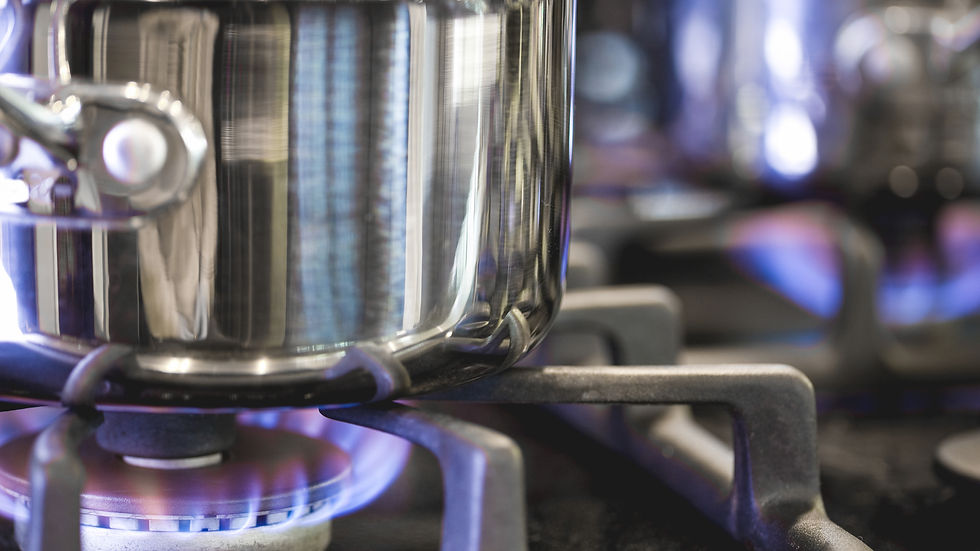
Put the pot on the stove and bring the water to a full boil. As soon as it’s boiling, turn off the heat completely. This is the part that always surprises people.
Don’t keep boiling the eggs. Don’t lower the heat and babysit them. Just turn it off, cover the pot with a lid, and let the eggs sit in the hot water for 8 to 10 minutes. Eight minutes gives you a slightly creamier yolk. Ten minutes gives you a fully set one. Either way, the whites stay tender, not rubbery, and the yolks are never chalky.
My grandmother trusted the residual heat to do the work, and she was right.
Give The Eggs A Bath

When the time is up, move the pot to the sink. Instead of transferring the eggs, hold the pot at an angle so the water starts running out, but the eggs stay put. Run cold water directly into the hot water. Let it overflow until the water in the pot stays cold.
This step stops the cooking instantly and makes peeling dramatically easier. Let the eggs sit in this cold bath until they’re completely cool to the touch.
Peel Immediately and Enjoy

Once the eggs are cool, shell them right away. The shells come off more cleanly, often in large pieces, and you’re left with smooth, perfectly cooked eggs.
What I love about this method is the simplicity. No ice baths to prepare. No exact egg count. No babysitting. No stress. Just a quiet, reliable process passed down from someone who knew what she was doing.
Every time I make boiled eggs this way, I think of my grandmother and her steady presence in the kitchen. It’s a small ritual, but it’s one that reminds me that the best techniques are often the simplest.


Comments